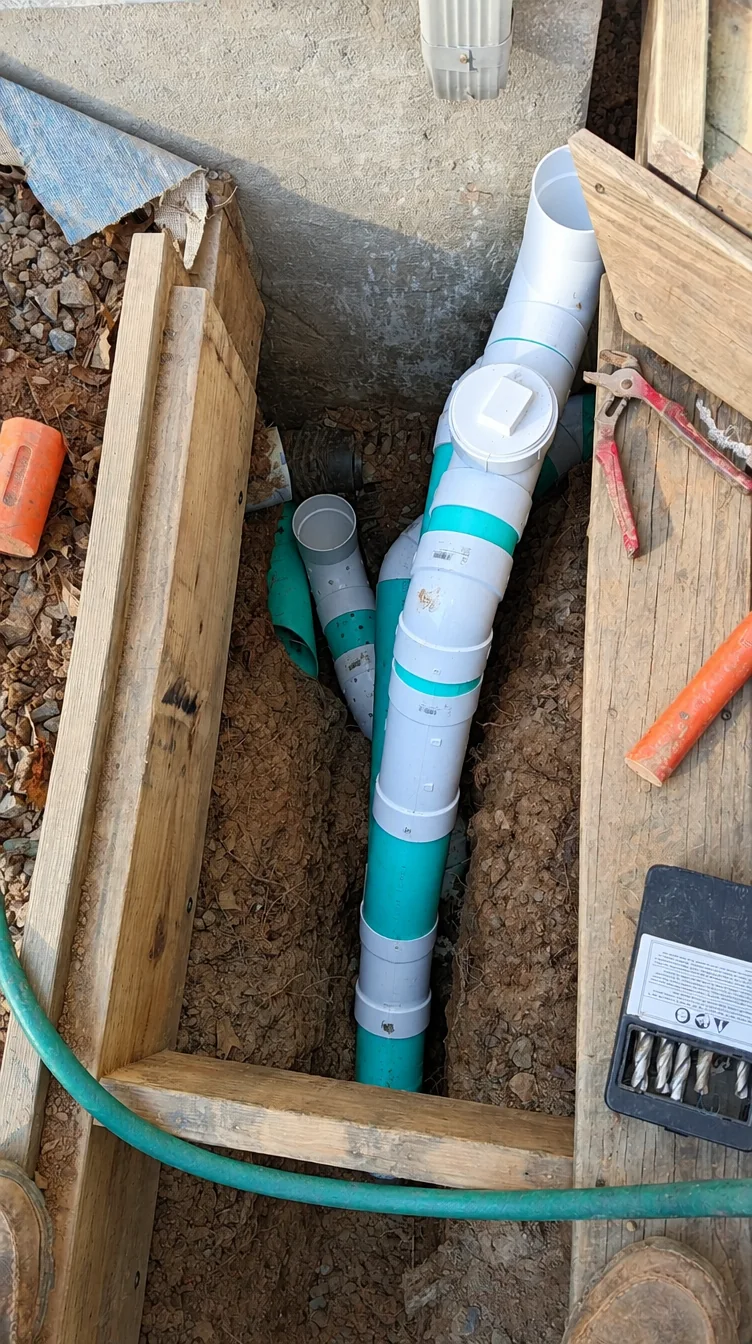
Sump pumps are often used in basements or in other low lying areas where there is not enough fall on the property to use a gravity drain. Gravity drains are preferable to sump pumps since they don’t rely on mechanics so they will always work unless the drain becomes clogged.
Sump Pumps
Sump pumps are often used in basements or in other low lying areas where there is not enough fall on the property to use a gravity drain. Gravity drains are preferable to sump pumps since they don’t rely on mechanics so they will always work unless the drain becomes clogged.
The problem is sometimes gravity drains aren’t practical. For example if there’s not enough fall on the property to run a gravity drain downhill from a location such as a sump crock in the basement, then a sump pump may be the best option. In some cases there may be enough fall on a property but you may have to run the line hundreds of feet away to achieve the fall in which case it may be more practical to install a sump pump.
The image below shows a sump pump that is malfunctioning, causing water to flood the basement.

Battery backup systems
Sump pumps should have battery backup systems so if the power goes out during a storm, the battery will allow the sump pump to pump water out before it gets higher than the basement or crawl space floor level. If the sump pump stops working, water can rise up, floating the space and causing costly damage.
Sump pumps installed outdoors
In some cases, sump pumps may be installed outdoors. For example, if there is a problem area where water is standing in a backyard and there is no place to drain the water off on the property then it may need to be pumped up, for example, to the street. This may require an electrician to hook up a GFCI outlet for the sump pump or to hardwire it to a breaker.
Drain Designs can help with all your rainwater and foundation drainage sump pump needs.

The majority of the work when it comes to sump pump installation is generally installing the sump pump drainage pipe and the sump pump crock. We will make sure that the sump crock is properly connected to the foundation drain or French drain systems or into any other drainage components that should be tied into the sump pump system. We will also make sure that components like downspout drains are not unnecessarily tied into the sump pump system since they can overwhelm the sump pump and shorten its life significantly. In other words Drain Designs will ensure the sump pump is your best option for your area that it is installed properly carrying the water out to a desired location instead of just pumping it right outside of your basement wall.
We have worked on many jobs where sump pumps have been installed by plumbers or handyman so that the water pumps right outside of the wall, drains in through the ground right back into the sump crock and the same water is then pumped out again over and over shortening the life of the pump. This may be because plumbing and rainwater drainage are essentially two different trades. While plumbers are good at installing plumbing components, they are typically not trained on rainwater/ groundwater drainage management.
We do not install sewage pumps.
Drain designs does not install sewage pumps however, we do work with local plumbers and can help you with a recommendation for the best sewage pump installers near you.
Drain Designs can help prevent flooding by ensuring your system is designed, installed and maintained properly. The sump pump is an important part of your drainage system. We recommend testing and inspecting your sump pump yearly. We can also repair or replace non-working sump pumps. We partner with excellent local plumbers and electricians and can work together with them when needed to offer turnkey sump pump solutions.